Helping a Brazilian Recycler Turn Plastic Waste into Pallets
The Customer
For years, our customer collected and sorted post-industrial PP and PE plastic waste in southern Brazil. The material was baled and sold to third parties, which meant low margins and no control over price swings. With rising logistics costs and continuing demand for export-quality pallets from local warehouses, the management team started looking for a way to move up the value chain — and a plastic pallet machine was the obvious next step.
They were not new to industrial equipment, but they were new to pallet production. Their requirements were practical and specific:
- Turn their own waste PP & PE plastic into finished pallets on site
- Produce a heavy-duty plastic pallet strong enough for warehouse stacking and container shipment
- Keep the finished cost per pallet low enough to compete with timber pallets
- Work with a plastic pallet machine manufacturer that could support them long-term, not just ship a container
Finding the Right Setup
After comparing several suppliers, the customer chose us for a plastic pallet production line built around their material. The deciding factors were concrete rather than commercial:
- A waste PP PE plastic pallet making machine configured for mixed plastic scraps, not only clean pellets
- A custom mold plastic pallet machine option so the finished pallet size matched their existing racking and container loading plan
- A complete process chain — melting, pressing and pallet forming — in one continuous flow, so the output stayed consistent
- Honest data on capacity and plastic pallet machine price, with the running cost per pallet shown up front
The configuration we proposed covered the full workflow: material preparation and feeding, melting, hydraulic pressing, and one-piece pallet forming, followed by cooling and trimming. Because the line produces a one-piece molded pallet rather than an assembled one, the finished product holds up under repeated forklift handling.
Factory Inspection and Trial Run
Before shipment, the customer travelled to our factory — the second visit in our cooperation — with one clear purpose: to inspect their machine in person and confirm the delivery would meet their timeline and quality standard.
During the visit we ran a full plastic pallet machine trial on their own material. The customer watched the line from feeding to finished pallet, checked pallet thickness, surface finish and load-bearing performance, and reviewed the electrical and hydraulic systems with our engineers. Every item on their inspection list was signed off on the spot, and performance data was logged and handed over together with the machine documentation.
In their words, the trial run was what settled it — seeing the actual output, not a catalogue photo.
The Results
With the line running in their own facility, the customer now converts waste they previously sold at scrap value into pallets they can use and sell:
- Material cost: raw material comes from their own waste stream, so the input cost is largely collection and processing
- Output: one-piece heavy-duty pallets suited to warehouse storage and container shipment
- Quality: consistent pallet thickness and load capacity, batch after batch
- Fumigation: plastic pallets are exempt from ISPM 15 heat treatment and fumigation requirements, which simplifies export
- Business scope: a new product line built on material they already controlled
Numbers vary with waste composition, moisture and operator experience — we provide a costing sheet with capacity and cost-per-pallet estimates based on the customer's actual material, so expectations are clear before the order is placed.
Growing Beyond the First Machine
The relationship did not end with the delivery. During the same factory visit, both teams sat down to plan the next phase: adding capacity for recycled plastic pallet production, exploring a waste plastic pallet press machine to process heavier mixed waste, and reviewing new market opportunities for the customer's finished pallets in the region.
For us, a delivered machine is not the end of a transaction — it is the start of a long-term working relationship. That is why we keep technical support, spare parts and mold service available long after the equipment leaves the factory.
Customer Feedback
"We came to check the machine before shipment, and we left knowing it would work. The trial run, the engineers' answers, and the plan for the next line — this is why we came back."
— Production Manager, recycling company, Brazil
Frequently Asked Questions
Can a plastic pallet machine process waste PP and PE plastic? Yes. The line is configured for mixed post-industrial plastic waste including PP and PE, and the material preparation stage is adapted to the customer's actual waste stream.
How much does a plastic pallet machine cost? Price depends on capacity, automation level and mold size. We share a running cost per pallet based on your material so you can compare it against timber or purchased plastic pallets before ordering.
How long does one pallet take to produce? Cycle time depends on pallet size and thickness, and on how the line is configured. We provide the tested cycle time for your specific mold during the trial run.
Do I need to treat the pallets before export? No. Plastic pallets are not subject to ISPM 15 heat treatment or fumigation, which is one of the reasons they are popular for container shipment.
Can you make a custom pallet size? Yes. Custom molds are available, and we help match the pallet dimensions to your racking system and container loading plan.
Planning a Pallet Production Line?
If you are working with waste PP or PE plastic and want to turn it into a product you can sell, send us your material details and target pallet size. We will come back with a configuration, capacity and a factory quotation.
???? Email:[email protected] ???? Web: https://www.palletmach.com ???? Tel: +86-13733828553
Products
-
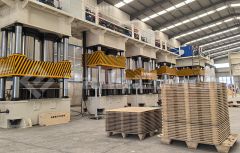 Wood Pallet Machine
-
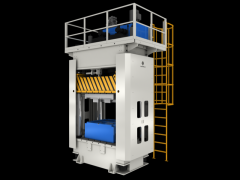 Plastic Pallet Machine
-
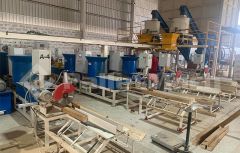 Pallet Block Machine
-
 Auxiliary Equipment