Turn Plywood Scrap into ISPM?15 Fumigation?Free Export Presswood Pallets
The Waste Dilemma of Plywood Mill Residues
Plywood manufacturing generates massive volumes of wood by-products during log screening and veneer peeling. Logs with knots, bends, cracks, or decay get rejected directly, leaving large piles of shavings and plywood offcuts. For plywood mills, handling plywood waste and plywood scrap has long been a persistent headache.
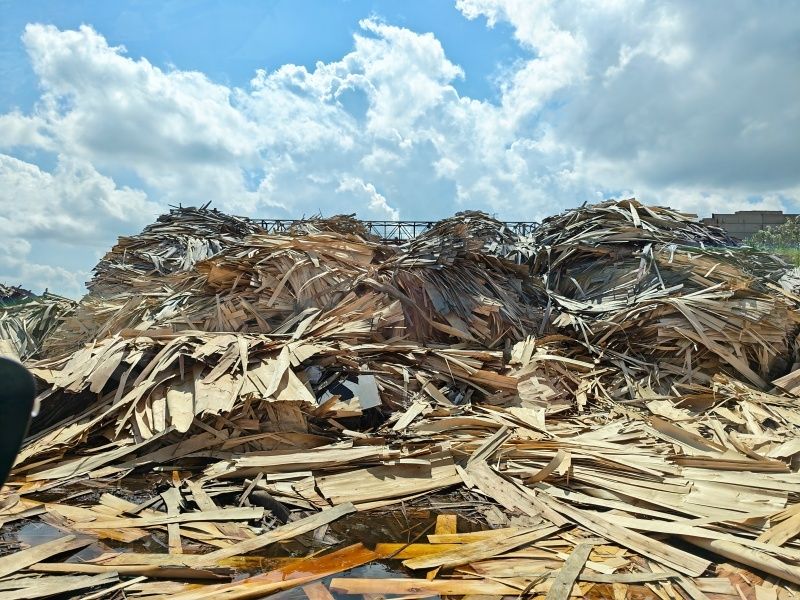
(Plywood Scrap)
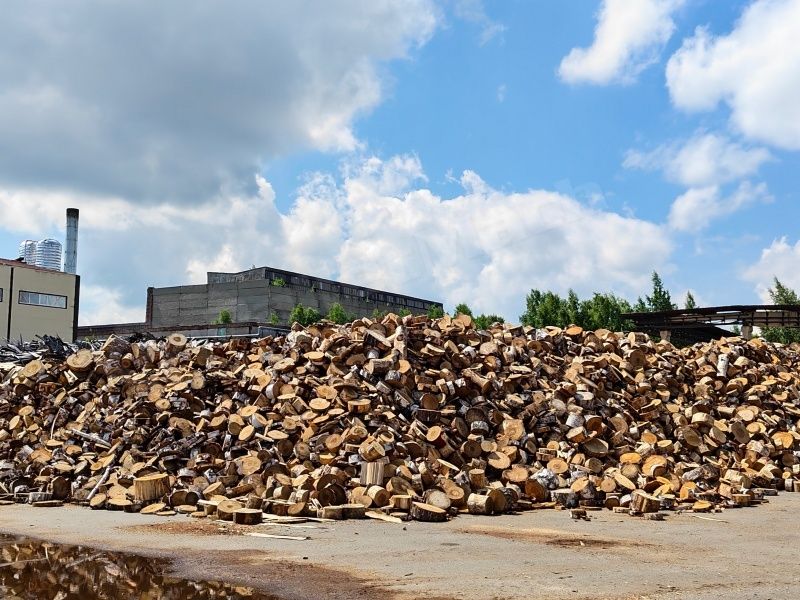
(Plywood Waste)
Selling these residues brings very low profit margins. Landfilling means valuable resource loss, while incineration runs afoul of strict environmental regulations. How can wood processors dispose of solid waste and boost revenue at the same time? Converting plywood mill residues into export-grade presswood pallets proves to be a high-value business solution.
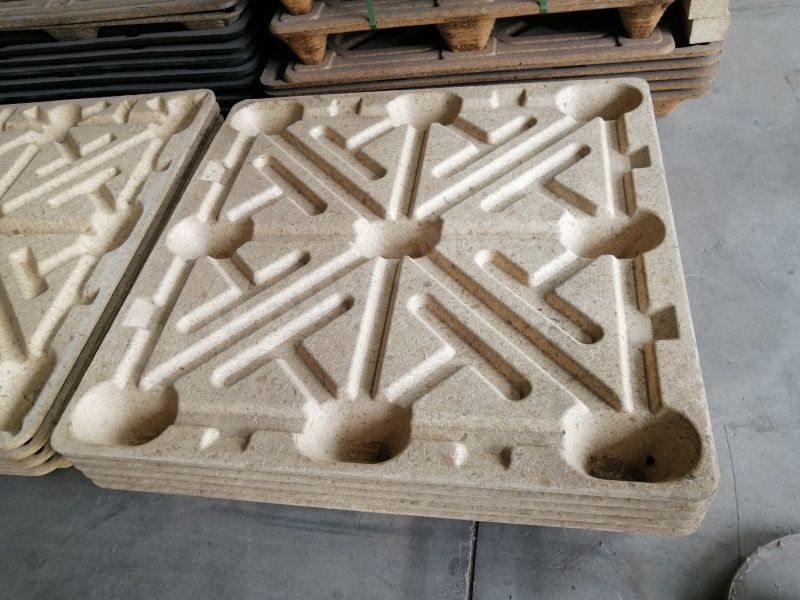
(Nine-leg Molded Pallet)
Why Factories Differ Greatly in Plywood Waste Pallet Making?
Nevertheless, many factories using identical waste feedstock see totally different outcomes: some struggle with low efficiency and thin profit margins; others capture solid export orders. The gap hinges on three core pillars: raw-material proportioning, gluing technology and reliable complete-set equipment.Traditionally, plywood offcuts and waste veneer materials go into particleboard, MDF or biomass fuel. Producing recycled plywood scrap for pressed wood pallets delivers far higher added value.
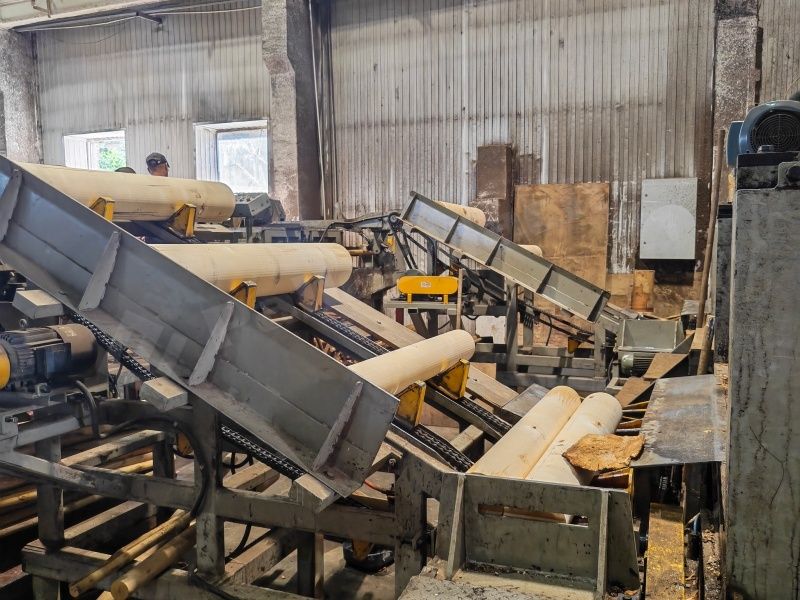
(The production process of plywood raw materials)
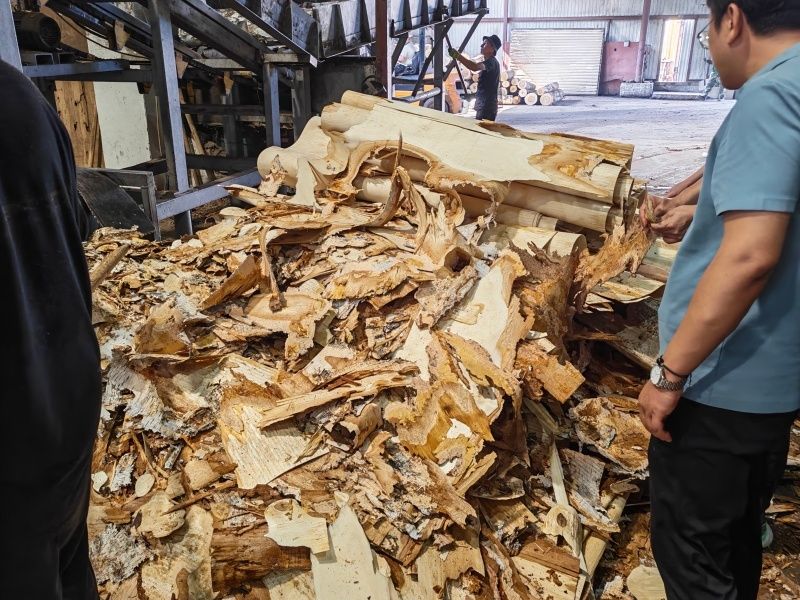
(Plywood Offcuts)
Finished presswood pallets comply with ISPM-15 standard, fumigation-free for direct export, and enjoy robust global overseas demand.
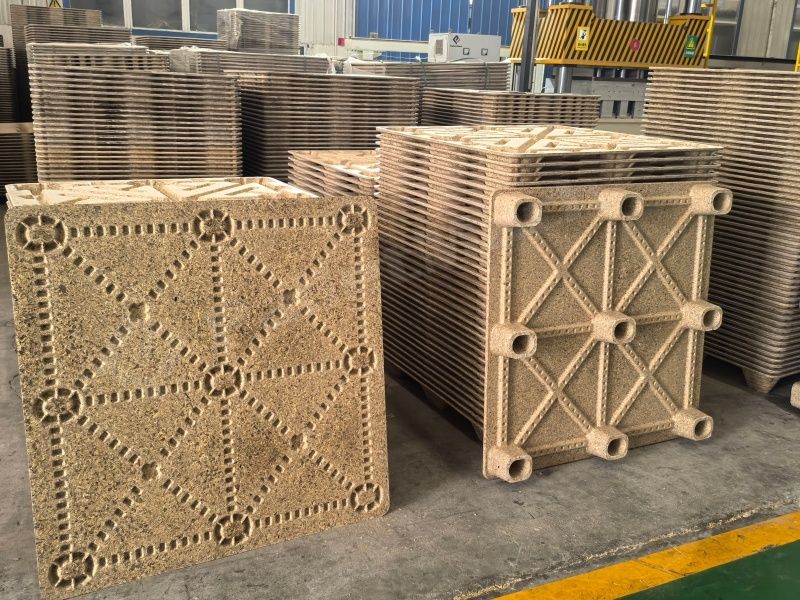
(Presswood Pallet)
Scientific Chip Proportioning: The Foundation of High-Quality Pallets
A widespread misconception prevails among manufacturers: any waste wood can produce qualified presswood pallets. In reality, plywood scrap only serves as basic feedstock. Final pallet performance is not determined by waste material itself, but by chip proportioning and gluing craftsmanship. Poor proportioning leads to poor compression resistance, water absorption, and cracking, killing product competitiveness and squeezing profit.Large wood chips act like reinforcing steel to build the pallet’s load-bearing skeleton. Fine particles work similarly to cement, filling internal voids to improve density and lower water-swelling rate. Too many coarse chips result in insufficient compactness; excessive fine chips reduce toughness. A well-balanced blend of coarse and fine particles yields strong, water-resistant presswood pallets.
Our complete plywood scrap recycling line for presswood pallets flexibly adjusts chip size ratios according to real-world conditions of incoming plywood waste. It stabilizes final product performance from variable plywood offcuts feedstock, cuts defect rates, and protects profit at the production source.
Advanced MDI Gluing Technology Ensures Pallet Durability
Gluing technology sits at the heart of presswood pallet manufacturing. We cooperate with Wanhua Chemical and adopt modified MDI eco-friendly adhesive. Under high temperature and high pressure, it forms a polyurea cross-linked structure, waterproof protective film, and high-strength 3-D fiber network, greatly improving the water-proof performance and impact resistance of pallets.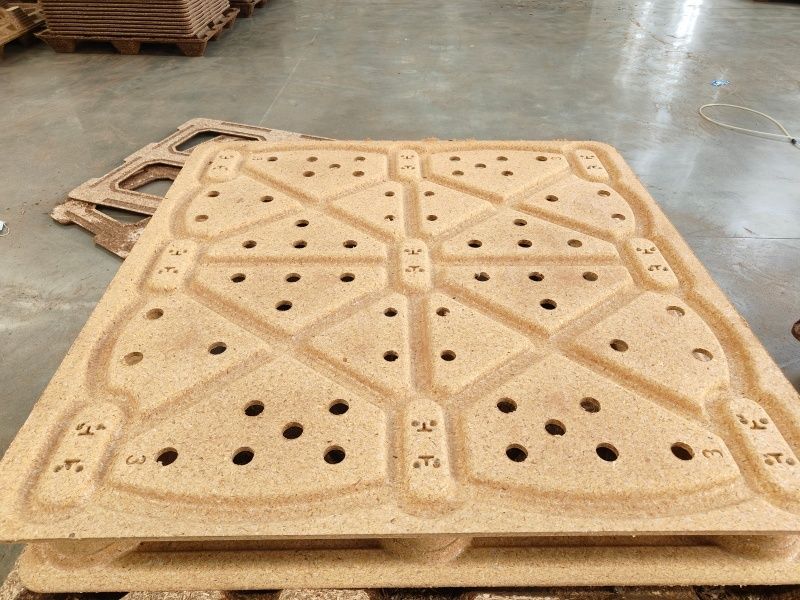
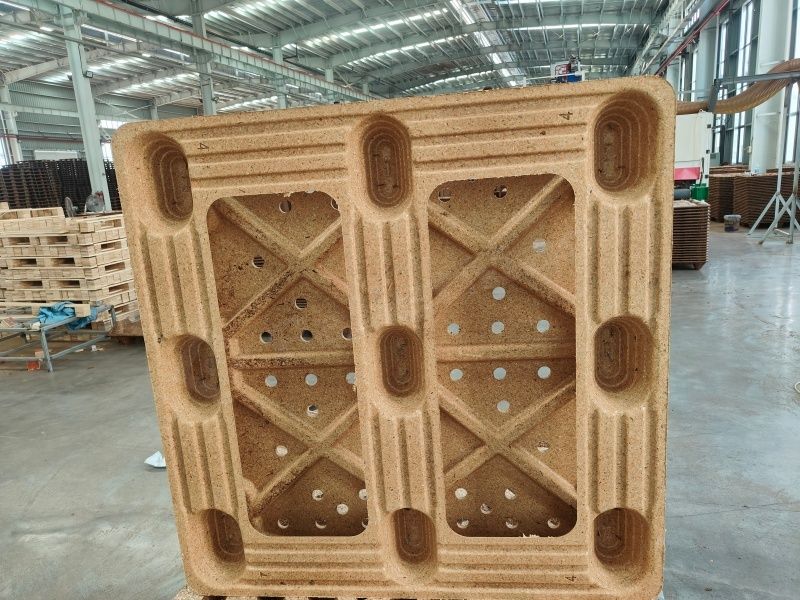
(Combined Presswood Pallet)
Full-Cycle Automated Production Line Achieves Stable Mass Production
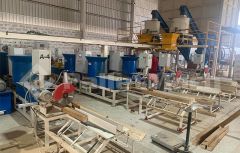
Fully closed-loop production capacity makes all the difference for waste plywood recycling to a presswood pallet plant.Production phases include crushing, metal removal, and fine pulverization down to 2 mm particle size.
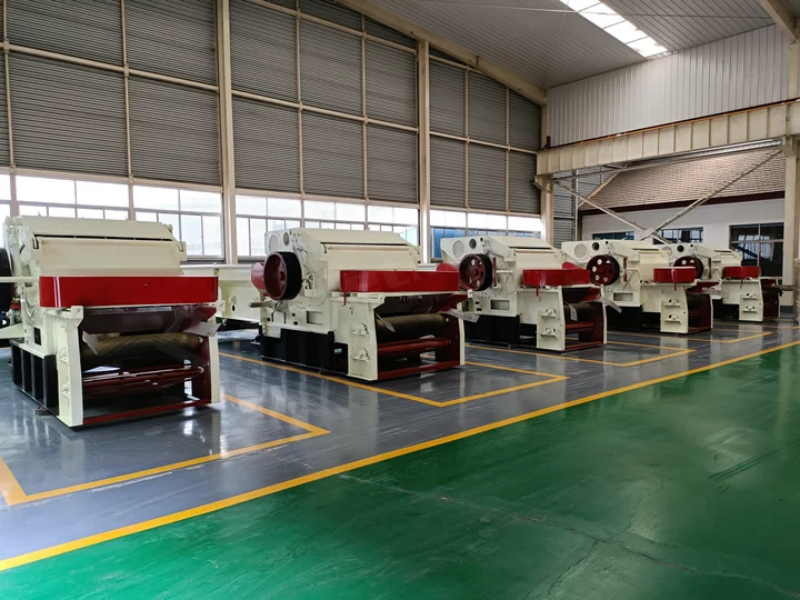
(Wood-Chipper-Machine)
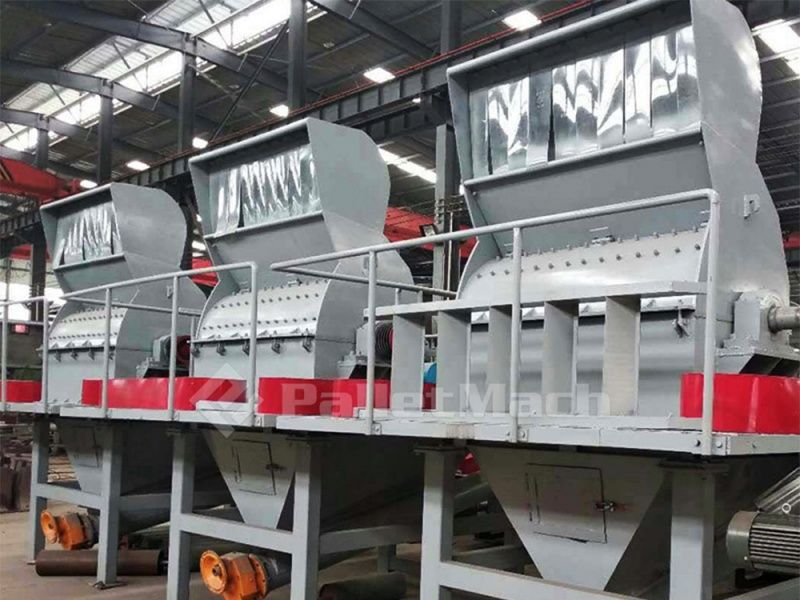
(Wood-Crushing-Machine)
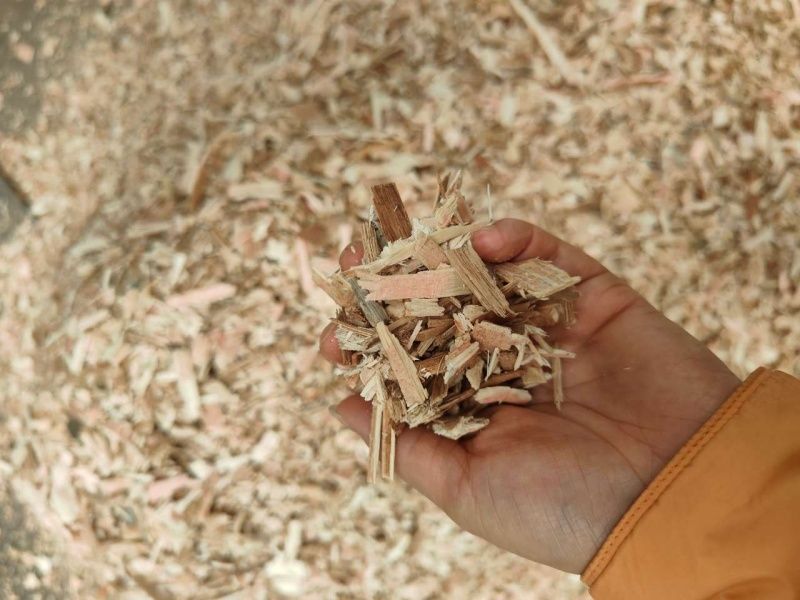
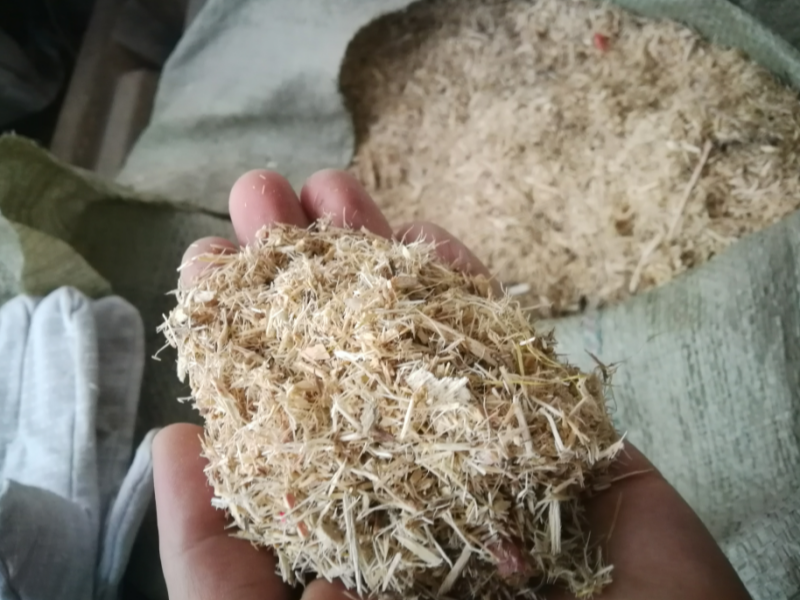
(The uniform wood chips after being crushed)
Dryers precisely control moisture content between 10-15 %.
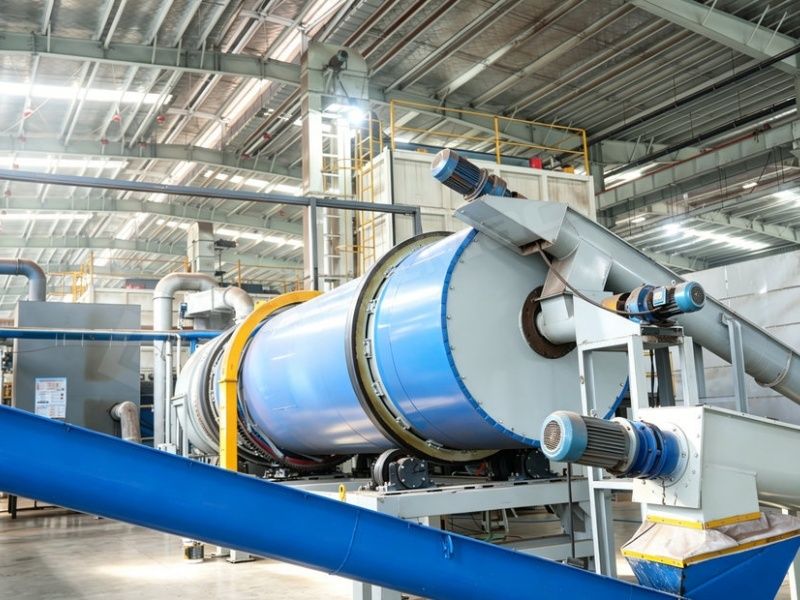
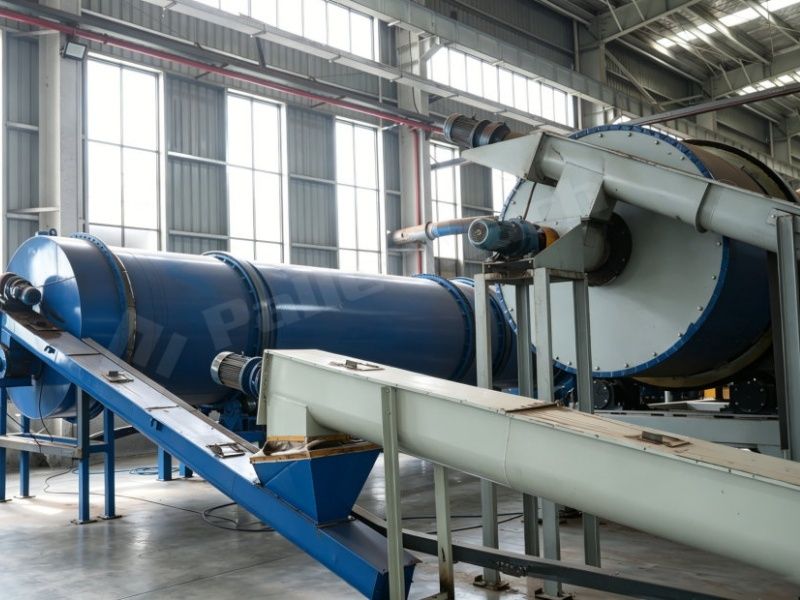
(Rotary Dryer)
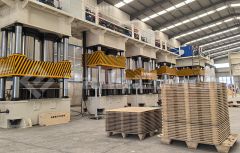
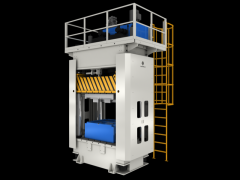
Multiple-model 2000-ton press machines support quick-mold change to manufacture more than ten presswood pallet variants.
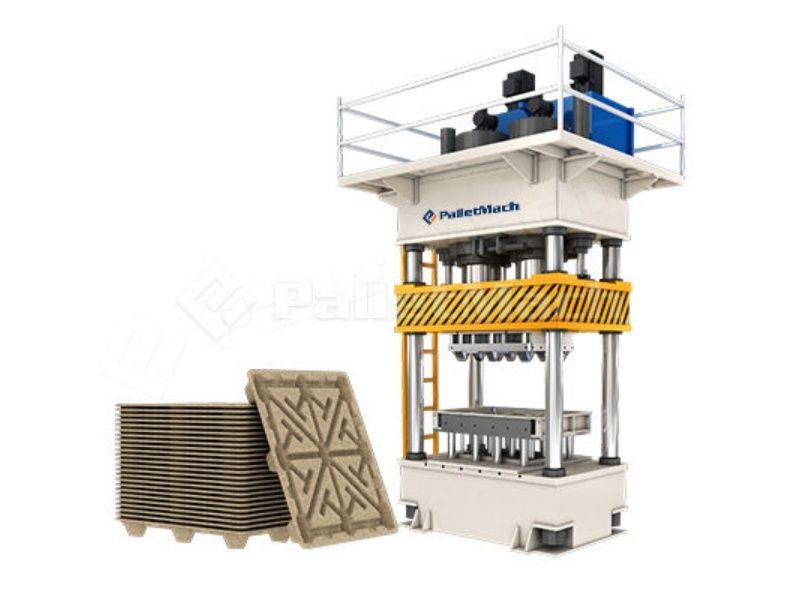
(plywood offcuts processing machine for pressed pallet)
PLC automatic control system delivers stable output of 13 pieces per hour, minimizing manual intervention and guaranteeing consistent quality for mass production.
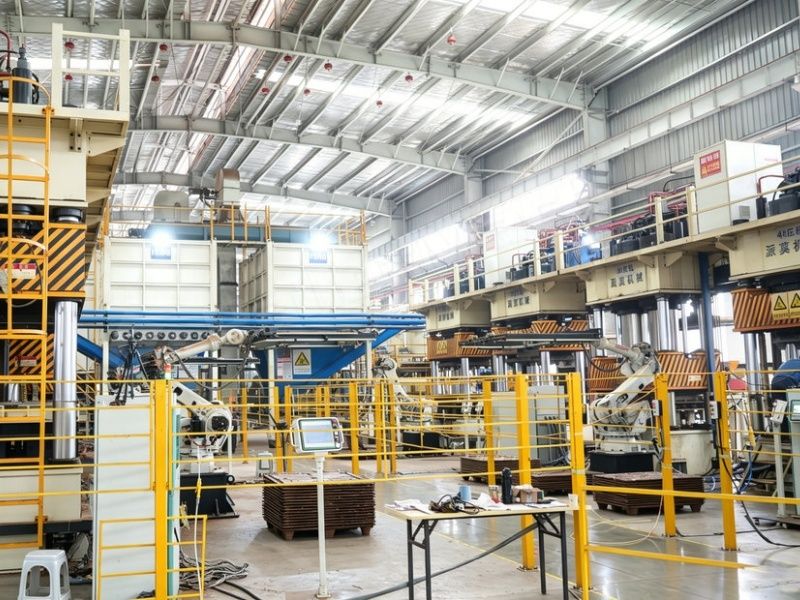
(Plywood scrap recycling line for presswood pallet)
ISPM-15 Fumigation-Free Advantages for Global Export
Under 180 ℃ high temperature and thousands-ton compression pressure, pests and eggs are fully eliminated. Finished presswood pallets meet the ISPM-15 international standard, export-ready without fumigation, saving quarantine expense and waiting time.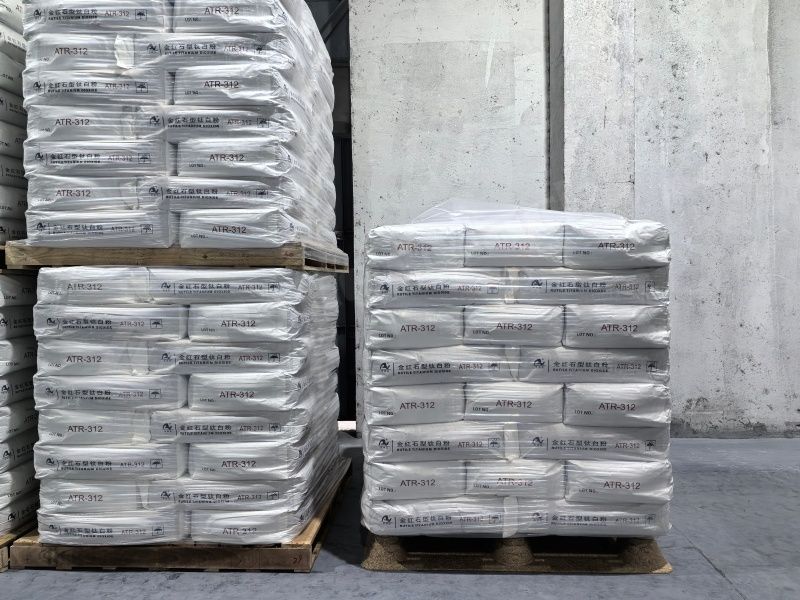
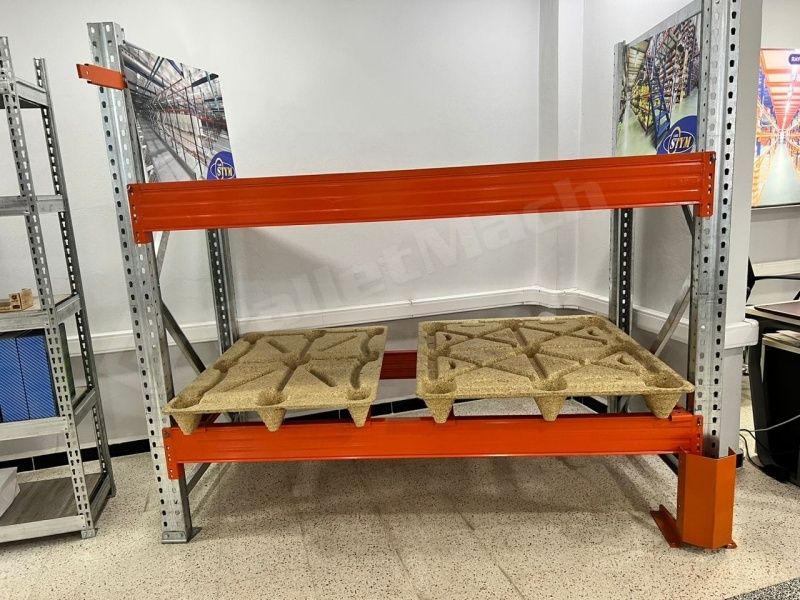
(Applicable Scenarios of Presswood Pallets)
Dynamic load reaches 1.5 tons, and static load hits 6 tons, suitable for high-humidity, cold-storage, and other harsh working scenarios. A stack of 20 pallets occupies merely 0.75 m height, saving 70 % storage and shipping space compared with conventional wooden pallets. Custom rackable combined pallets are available to match multi-national supply-chain requirements and lift product premium.
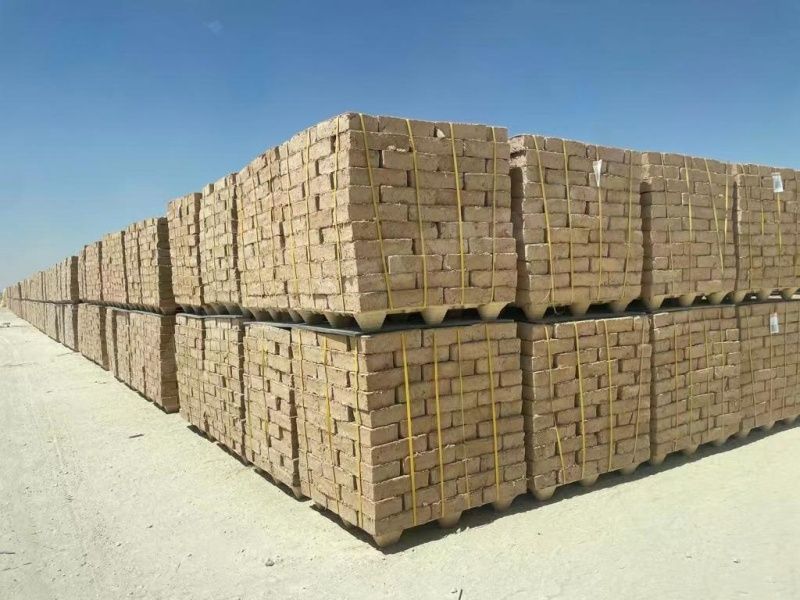
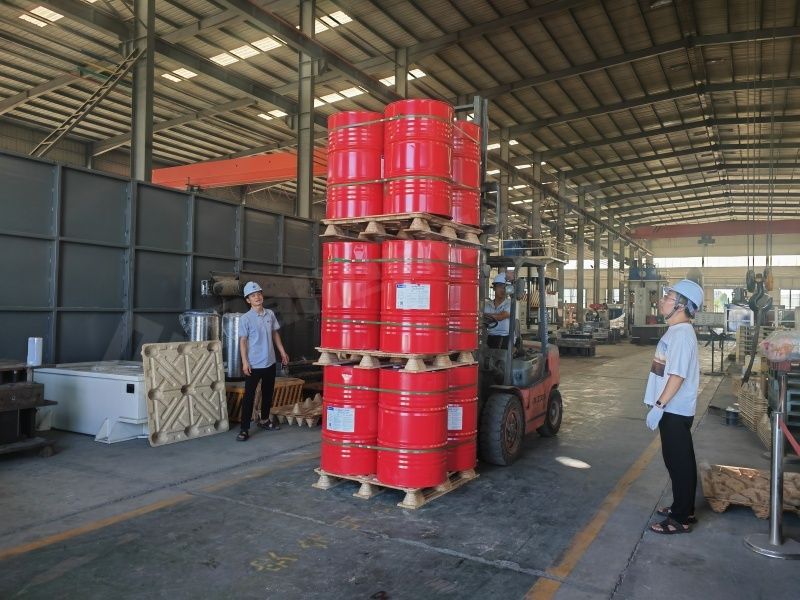
(Applicable Scenarios of Presswood Pallets)
Producing high-profit export-oriented presswood pallets from plywood scrap is far more than simple compression molding. A scientific chip-blending formula, high-performance gluing technology, and an automated complete production line are all indispensable. We deliver turnkey machines to make presswood pallets from plywood waste and full-set presswood pallet production solutions.Please feel free to contact us at any time!
Products
-
 Wood Pallet Machine
-
 Plastic Pallet Machine
-
 Pallet Block Machine
-
 Auxiliary Equipment